
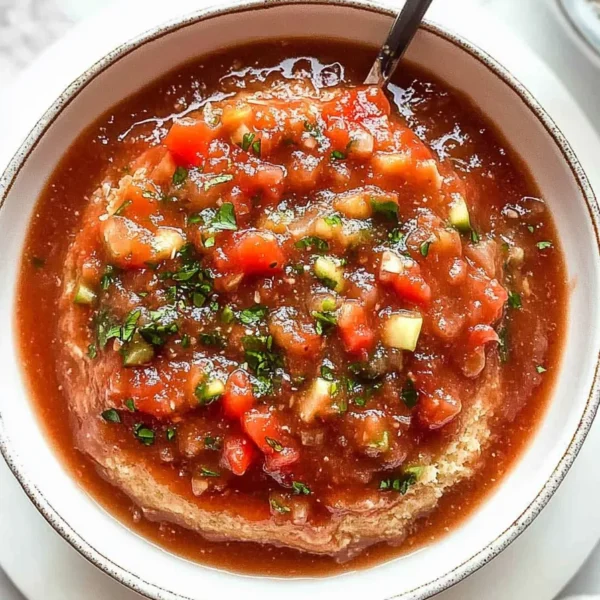
When it comes to zesty flavors, nothing compares to the charm of a tantalizing batch of homemade salsa. This vibrant condiment not only adds a pop of color to your meals but also infuses them with fresh, bold tastes. Whether you’re hosting a lively gathering, enjoying a quiet night in, or simply looking to elevate your everyday dishes, crafting a fresh salsa at home is a delightful culinary adventure. Each ingredient, from ripe tomatoes to zesty cilantro, plays a vital role in achieving that perfect balance of sweetness and tang.
Moreover, making your own salsa allows for endless customization and creativity. You can adjust the spice levels, incorporate seasonal fruits, or even experiment with various herbs to suit your palate. Unlike store-bought options, homemade salsa offers unparalleled freshness, and you know exactly what goes into it. So, gather your ingredients, and let’s dive into the world of homemade salsa, where every bite is a celebration of flavor and freshness. Embrace this chance to create your own signature dip that will impress family and friends alike!
Essential Ingredients for Homemade Salsa:
Creating a fresh, vibrant homemade salsa is easier than you might think. This delightful mix not only adds a zesty flavor to your meals but also enhances your cooking experience. To get started, gather the following ingredients:
– 3 ½ cups chopped tomatoes (Alternatively, you can use a 28-ounce can of diced tomatoes)
– ¼ small onion, finely chopped
– ⅓ cup fresh cilantro, chopped
– 2 tablespoons fresh lime juice
– 1 small jalapeño pepper, seeds removed and minced
– ½ teaspoon ground cumin
– ½ teaspoon salt
– ½ teaspoon black pepper
– ½ teaspoon sugar
Preparation Steps for Your Homemade Salsa
To make your salsa, start by chopping the tomatoes into small pieces, ensuring you have a mix of juicy and firm bits for the best texture—be it fresh from the garden or from a can. If you’re using diced tomatoes from a can, drain slightly to control consistency. Next, finely chop the ¼ small onion; this will add a mild sweetness that balances the overall flavor.
Add the chopped tomatoes and onion to a large mixing bowl. Following this, toss in ⅓ cup of freshly chopped cilantro, offering a burst of freshness. While cilantro is a key player, feel free to adjust the amount based on your taste preference.
Now, for the zing! Drizzle in 2 tablespoons of fresh lime juice and add the minced jalapeño pepper for a gentle kick. If you prefer a milder flavor, just a small amount is enough to enhance the dish without overwhelming it.
For seasoning, mix in ½ teaspoon each of ground cumin, salt, black pepper, and sugar. The sugar plays a crucial role in balancing acidity while the cumin adds delightful warmth.
Mix and Store for Maximum Flavor
Stir all the ingredients together, mixing thoroughly to ensure every bite is packed with flavor. Allow your homemade salsa to rest for at least 30 minutes before serving. This chilling period allows the flavors to meld beautifully.
You can easily customize this recipe. For a different twist, consider trying a Black Bean and Corn Salsa as a refreshing variation. Explore different flavor profiles while maintaining that delicious freshness!
Enjoy your homemade creation with tortilla chips, tacos, or even grilled meats. Indulge in this delightful recipe today and elevate your meals with homemade salsa!
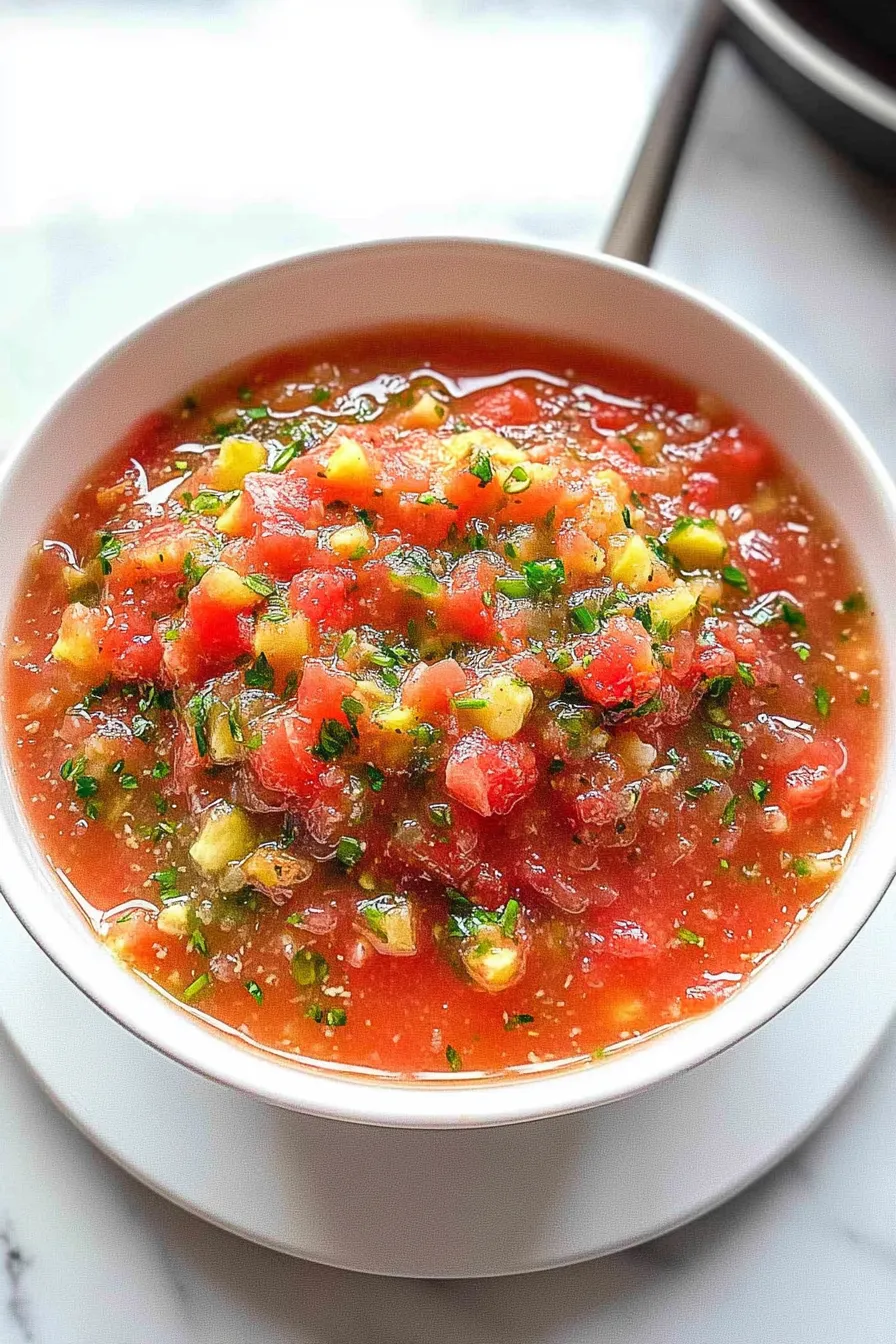
Step-by-Step Instructions on How to Prepare:
Creating delicious homemade salsa is surprisingly simple and requires only a few fresh ingredients. This vibrant dish serves as an excellent accompaniment to various meals. Let’s dive into the preparation steps for a flavorful salsa that will elevate your next gathering.
Gather Your Ingredients
To get started, assemble your key ingredients: 3 ½ cups of chopped tomatoes (or a 28-ounce can of diced tomatoes), ¼ of a small onion, ⅓ cup of fresh cilantro, juice from 2 tablespoons of fresh lime, one small jalapeno pepper (with the seeds removed), ½ teaspoon of ground cumin, ½ teaspoon of salt, ½ teaspoon of black pepper, and ½ teaspoon of sugar.
Chop Your Vegetables
Begin by chopping the tomatoes, onion, jalapeno, and cilantro. If you’re using fresh tomatoes, ensure they are ripe for the best flavor. For the jalapeno, adjust the heat by leaving some seeds intact if you prefer a spicier kick. Combine these fresh produce items in a large mixing bowl.
Mix the Ingredients
Next, add the lime juice to the bowl, and sprinkle in the ground cumin, salt, black pepper, and sugar. The lime juice not only adds zest but also balances the flavors, enhancing this delicious homemade salsa. Stir the mixture gently until all ingredients are well combined and the salsa appears vibrant.
Adjust to Taste
Once mixed, it’s time to taste your salsa. Feel free to adjust the seasonings. Perhaps you need a pinch more salt or a dash of lime juice? Tailoring the flavors to your preference will guarantee it complements your dishes perfectly.
Let It Rest
For the best results, let your salsa rest for at least 30 minutes. This allows the flavors to meld beautifully—a crucial step in any salsa recipe. By doing this, you allow the fresh ingredients to harmonize, resulting in a more complex and delightful taste.
Enjoy your homemade salsa with tortilla chips, atop grilled chicken, or as a flavorful addition to your tacos. For another refreshing option, check out this black bean and corn salsa that brings a whole new layer of flavor to your table.
Now you have a simple, fresh, and vibrant salsa that can brighten up any meal. Dig in and savor the taste of homemade goodness!
Variations of Homemade Salsa to Try:
Exploring different variations of homemade salsa opens a world of flavors. Each version brings its unique twist to classic recipes, catering to diverse tastes. Here are some delightful ideas worth trying:
Chunky Tomato Salsa
This is the classic version that most people are familiar with. Start with ripe tomatoes, finely chopped onions, and fresh cilantro. A squeeze of lime juice adds brightness, while jalapeños bring the heat. This combination is perfect for dipping with tortilla chips or topping on tacos.
Black Bean and Corn Salsa
For a heartier option, consider this flavorful variant. Combining black beans, sweet corn, diced red onions, and chopped tomatoes, this salsa adds texture and nutrition. Toss in some cilantro and a sprinkle of lime juice for a refreshing taste. You can check out the detailed recipe for this unique blend at Black Bean and Corn Salsa.
Fruit-Based Salsa
Fruits like mango, pineapple, or peach can brighten up your homemade salsa. These add a sweet dimension that contrasts beautifully with spicy peppers. Simply dice the fruit and mix in chopped onions, cilantro, and jalapeños. This sweet and spicy blend is fantastic served over grilled chicken or fish.
Roasted Salsa
Roasting ingredients before blending can enhance the flavors dramatically. Grill or roast tomatoes, peppers, and onions until they’re slightly charred. Blend them together for a smoky, flavorful salsa that pairs perfectly with meat dishes. For a deeper dive into savory applications, try it with chicken by exploring this salsa chicken recipe.
Green Salsa
Green salsa, or salsa verde, is made from tomatillos instead of tomatoes. This tangy sauce is vibrant and can be used in various ways, from a dip to a marinade. Enhance its flavors with garlic, onion, and cilantro for a zesty punch.
To discover even more ways to make this versatile condiment, including recipes and tips, visit Homemade Salsa. Each variation offers a delicious new way to enjoy this staple, making it easy to find the perfect fit for your next gathering!
Storage Tips for Homemade Salsa:
Storing your homemade salsa properly is crucial to maintain its freshness and delicious flavor. Whether you’ve made a classic tomato salsa or a vibrant black bean and corn salsa, following these storage tips will help you enjoy your creation for longer.
Refrigeration Guidelines
One of the best ways to store homemade salsa is by refrigerating it. After preparation, transfer your salsa to a clean glass or plastic airtight container. Make sure to leave some space at the top as salsa may expand if it freezes. Proper sealing helps prevent the salsa from absorbing or imparting odors to other food in your fridge, which is essential for keeping its vibrant flavor intact. Place the salsa in the refrigerator; it should be good for about 3 to 5 days when stored properly.
Freezing for Longevity
If you want to keep your salsa for a longer duration, freezing is an excellent option. Divide your salsa into portions before freezing to make it easy to thaw only what you need. Use freezer-safe bags or containers, and be sure to label each with the date. Salsa can last for up to 6 months in the freezer. When ready to use, simply move the container to the fridge to defrost overnight. This method works well if you’re planning to use it in recipes like salsa chicken to add a burst of flavor without needing to make a fresh batch.
Signs of Deterioration
Always check your salsa for signs of spoilage. Look for any unusual smells, changes in color, or mold. If you notice any of these signs, discard the salsa immediately. Freshness is key when it comes to enjoying your homemade creation, so err on the side of caution.
Using Professionally-Crafted Recipes
For fans of quick and delicious meals, consider incorporating your delightful salsa into various recipes like the salsa chicken. This dish pairs perfectly with either fresh or frozen salsa, making it an ideal way to use any leftovers.
By following these storage tips, you can enjoy your homemade salsa for an extended time while preserving its flavor and freshness. So dive in, relish your salsa, and savor every bite!
Health Benefits of Homemade Salsa:
Making your own salsa at home offers numerous health benefits, making it a fantastic addition to your diet. Fresh ingredients not only enhance flavor but also boost nutrition.
Nutritional Powerhouse
Homemade salsa typically includes tomatoes, onions, cilantro, and lime juice. Tomatoes are rich in vitamins C and K, and they provide antioxidants like lycopene, which helps protect against certain diseases. Onions contribute antioxidants and may benefit heart health. Cilantro is not just a flavorful herb; it also contains vitamins A and K, along with essential oils that may aid digestion.
Moreover, the lime juice in your salsa adds a punch of vitamin C, which is essential for a healthy immune system. The acidity in lime juice also helps to enhance the absorption of iron from other foods, particularly beneficial when consumed alongside beans or leafy greens.
Low Calorie, High Satisfaction
Another advantage of homemade salsa is its low calorie content. When compared to other condiments, such as creamy dressings or dips, fresh salsa is an excellent, guilt-free option. It provides flavor without the added fats and sugars often found in store-bought varieties. Thus, you can enjoy a generous serving without worrying about excess calories.
Additionally, homemade salsa is versatile. You can pair it with whole-grain chips, use it as a topping for grilled chicken, or add it to your favorite dishes. For example, consider trying a quick and flavorful dinner recipe like salsa chicken, where the vibrant flavors of your salsa elevate the meal.
Enhancing Your Culinary Creativity
Making homemade salsa gives you complete control over the ingredients. This freedom allows you to customize flavors and adjust spices according to your preferences. You might decide to add extra jalapeños for heat or mix in fruits like mango or pineapple for a unique twist. These additions not only provide interesting flavor combinations but also introduce additional vitamins and minerals to your diet.
Incorporating homemade salsa into your meals can also encourage you to eat more vegetables. When you enjoy your salsa with a variety of fresh produce, you’ll be more inclined to choose healthier snacks and meals.
In conclusion, adding homemade salsa to your culinary repertoire can enhance both your health and your dishes. With fresh and nutritious ingredients, this zesty condiment can easily transform any meal into a flavor-packed experience, making it a must-have in your kitchen. For more delicious recipes that utilize fresh ingredients, check out our refreshing Black Bean and Corn Salsa!
Serving Suggestions :
Homemade salsa is a versatile condiment that elevates many dishes. You can pair this fresh tomato blend with crispy tortilla chips for a classic appetizer. Additionally, it makes a delightful topping for grilled chicken or fish, enhancing their flavors beautifully. For a quick meal, serve your zesty salsa over salsa chicken, where the freshness complements the tender meat. This mixture also works wonders in tacos, burritos, or over scrambled eggs for a savory breakfast treat. Lastly, don’t hesitate to incorporate it into other favorites like nachos or even as a side with burgers. The possibilities are endless when it comes to enjoying your homemade tomato sauce!
Frequently Asked Questions (FAQs):
What ingredients do I need for homemade salsa?
To create a tantalizing batch of homemade salsa, you typically need fresh tomatoes, onions, cilantro, jalapeños (or any pepper of your choice), lime juice, and salt. These ingredients combined yield a fresh and vibrant flavor, perfect for complementing various dishes. Optionally, you can also add garlic or corn for an extra kick. For a more specialized twist, you might want to check out this black bean and corn salsa recipe for added texture and heartiness.
How do I make homemade salsa less spicy?
If you prefer a milder version, simply reduce the amount of jalapeño or swap it for a sweeter pepper like bell pepper. Additionally, removing the seeds from the peppers can drastically cut down on the heat, allowing you to enjoy the fresh flavors without overwhelming spiciness.
Can I use canned tomatoes for homemade salsa?
While fresh tomatoes are recommended for their vibrant taste, you can certainly use canned tomatoes, especially if fresh ones are out of season. Just ensure they are drained well to prevent excess moisture that could dilute your salsa.
How long does homemade salsa last in the fridge?
When stored in an airtight container, your homemade salsa can last around 5 to 7 days in the refrigerator. However, for the best flavor, try to consume it within a few days, as the freshness diminishes over time.
Can I freeze homemade salsa?
Yes, freezing homemade salsa is a great option if you want to preserve it for later use. Ensure you use freezer-safe containers and leave some space for expansion. Thaw it in the refrigerator overnight before serving.
What dishes can I serve with homemade salsa?
Homemade salsa pairs beautifully with a variety of dishes. From topping grilled chicken to using it as a dip for tortilla chips, its versatility makes it a standout condiment. You can also enhance dishes like tacos or burritos with this refreshing addition.
[tasty-recipe id=”4505″]


Leave a Comment