
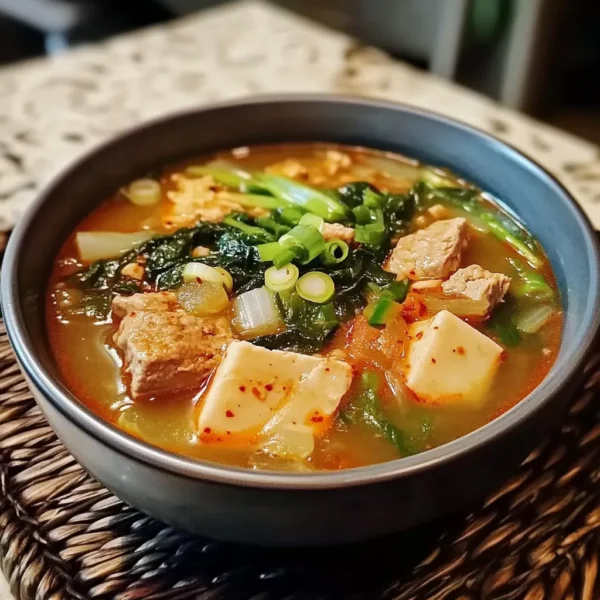
Ah, winter in my kitchen! There’s nothing quite like it—the aroma of simmering broths, the warmth of cozy meals, and the way everything feels a little more special during these chilly months. One of my warmest memories of winter cooking comes from my time spent in a small Korean restaurant where I learned the art of making traditional Korean winter soup. This nourishing dish, known as Korean Winter Soup, embodies all the comfort and love that warms your soul on a cold day. It’s hearty, flavorful, and as satisfying as a big hug from your grandmother.
Imagine cozying up with a big bowl of this delightful soup, feeling the steam dancing around your face as the spices tickle your senses. It’s the kind of meal that not only fills your belly, but also brings a smile to your heart. So, let’s dive into this recipe together and bring that wonderful experience to your own kitchen!
Why You’ll Love This Recipe
- All in One Meal: This soup combines proteins and vegetables, making it a balanced meal.
- Easy to Make: Perfect for weeknight dinners—just chop, simmer, and enjoy!
- Budget-Friendly: Uses affordable ingredients that you likely already have at home.
- Comforting Flavors: The inviting spices and savory broth create that ultimate comfort food experience.
Ingredients
Gather these simple ingredients to create a warming bowl of goodness:
- 1 tablespoon sesame oil
- 1 medium onion, diced
- 3 cloves fresh garlic, minced (fresh garlic adds a delightful punch!)
- 2 carrots, sliced
- 1 zucchini, diced
- 2 cups cabbage, chopped
- 6 cups chicken or vegetable broth
- 1 cup tofu, cubed
- 2 tablespoons gochujang (Korean chili paste)
- 1 tablespoon soy sauce
- 1 teaspoon ground ginger
- Salt and pepper to taste
- Green onions, sliced for garnish
Step-by-Step Instructions
Now that we have our ingredients ready, let’s roll up our sleeves and get cooking!
- Heat the Oil: In a large pot, heat the sesame oil over medium heat. This will fill your kitchen with a fragrant aroma that’s simply irresistible!
- Sauté Veggies: Add the diced onion and sauté for about 3-4 minutes until they become translucent. Then, toss in the garlic and cook for an additional minute—don’t let it burn; we want that sweet aroma, not bitterness!
- Add Carrots and Zucchini: Now, stir in the sliced carrots and zucchini. Cook for about 5 minutes, just until they begin to soften. The colors will be vibrant and inviting!
- In with the Cabbage: Add the chopped cabbage to the pot and stir everything together. The cabbage will wilt down beautifully, adding great texture to our soup.
- Pour the Broth: Carefully pour in the broth, stirring to combine all the ingredients. This is where the magic begins! Bring the mixture to a gentle simmer.
- Add Tofu and Flavors: Gently add the cubed tofu, gochujang, soy sauce, and ground ginger. Let everything simmer for about 10-15 minutes. The gochujang will infuse the soup with a lovely kick and depth of flavor.
- Season: Taste the broth and adjust with salt and pepper as needed. Remember, you can always add, but you can’t take away, so start with a pinch!
- Serve: Once the soup is fragrant and bubbling, ladle it into bowls, and sprinkle with fresh green onions. This adds a fresh crunch that complements the soup beautifully.
Pro Tips & Variations
Here are some fun tips to customize your Korean Winter Soup:
- Spice It Up: Feel free to add some sliced chili peppers or a dash of red pepper flakes if you like an extra kick!
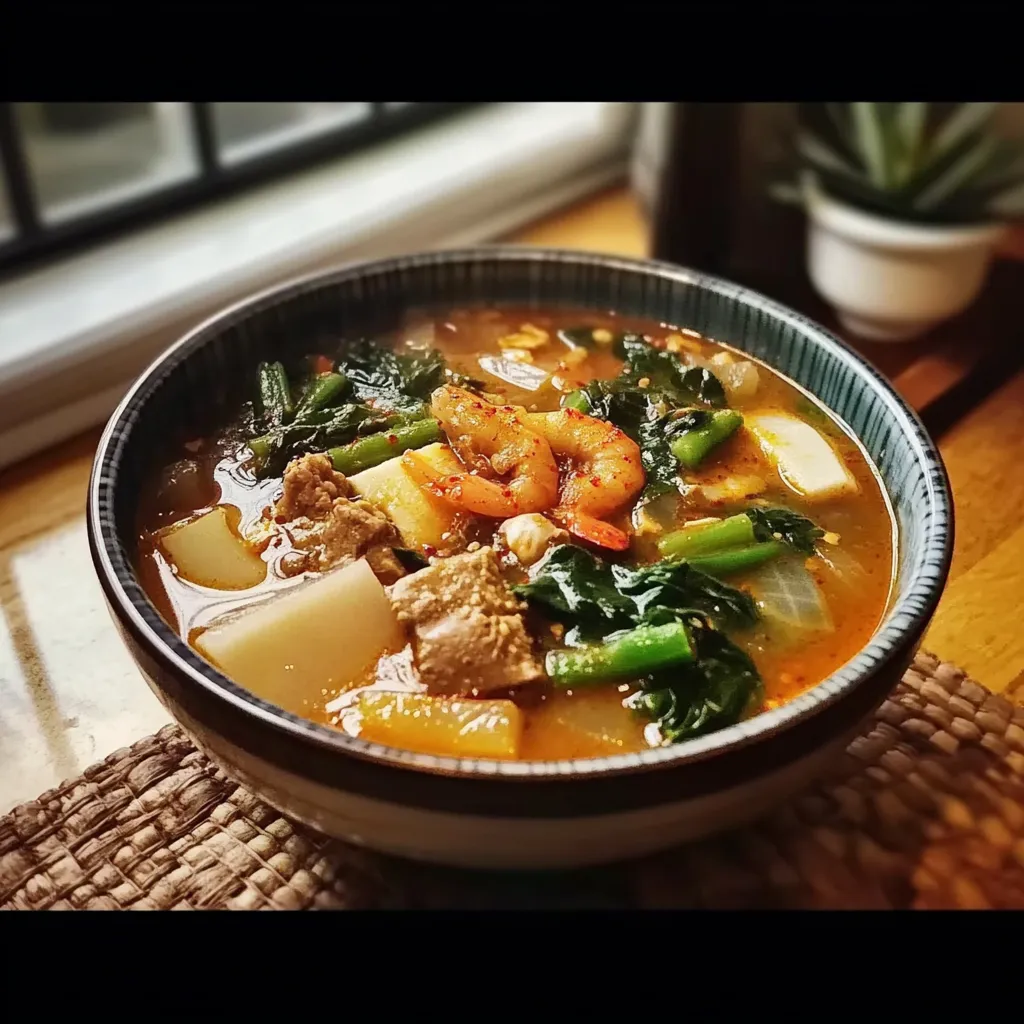
- Protein Swaps: You can easily substitute the tofu for shredded chicken or pork for those who prefer it. Just make sure they’re cooked through!
- Vegetable Variations: This soup is super versatile! Try adding mushrooms, bell peppers, or even spinach. Don’t be afraid to clean out the fridge!
- Herbal Enhancements: A sprinkle of cilantro or basil at the end can give the soup a refreshing twist.
Serving Suggestions
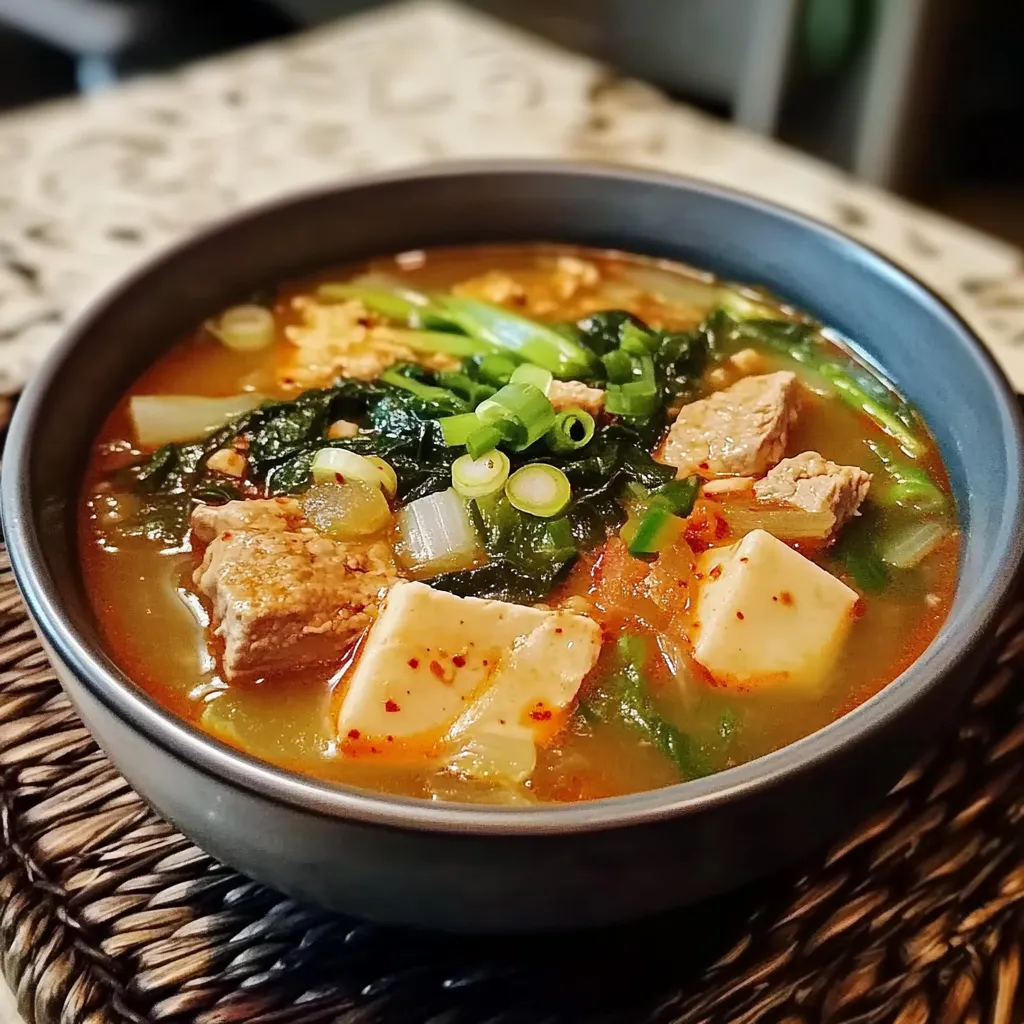
When it comes to serving your comforting bowl of Korean Winter Soup, I love to pair it with a side of steamed rice to soak up all that delicious broth. You can even serve it with warm, crusty bread if you prefer to dip! A light side salad with sesame dressing complements the rich flavors beautifully, or even a cup of earthy green tea to cleanse the palate.
Visualize yourself snuggling up on the couch, a blanket wrapped around your shoulders, and that steaming hot bowl of soup in your hands. Now that’s what I call a cozy evening!
Storage Tips
If you’re lucky enough to have leftovers (which I always hope for!), here’s how to keep your soup tasting just as great the next day:
- Refrigerate: Allow the soup to cool completely, then transfer it to an airtight container. It’ll last in the fridge for about 3-4 days—perfect for easy lunches!
- Freeze: You can freeze the soup for up to 3 months. Just make sure to leave some space in the container for expansion when it freezes.
- Reheat: When you’re ready to enjoy it again, simply reheat on the stovetop over medium heat until hot. Add a splash of water if it thickened too much!
FAQs
Can I make this soup vegetarian?
Absolutely! Just replace the chicken broth with vegetable broth and keep the tofu as your protein. The flavor will still be wonderful!
How spicy is Korean Winter Soup?
The soup’s spice level really depends on how much gochujang you add. It’s a flavorful heat, not overwhelming, but you can certainly adjust it to your preference.
Can I add noodles to the soup?
Yes! Adding noodles makes it even heartier. Just add them towards the end of cooking according to their package instructions.
Is this soup good for meal prep?
Definitely! This soup holds up really well for meal prep and makes for a tasty, quick meal throughout the week.
What do I do if I don’t have gochujang?
If you can’t find gochujang, you can try using sriracha or another chili paste, but keep in mind the flavor will be different. Adjust the quantities to fit your taste!
Conclusion
I hope you feel inspired to try making this Korean Winter Soup in your own kitchen! It’s not just a recipe—it’s a way to bring warmth and comfort to those chilly days, and perhaps spark a little nostalgia, too. I’d love to hear how your soup turns out, so please drop a comment below or share your own tweaks and stories. Happy cooking, and stay cozy!


Leave a Comment