
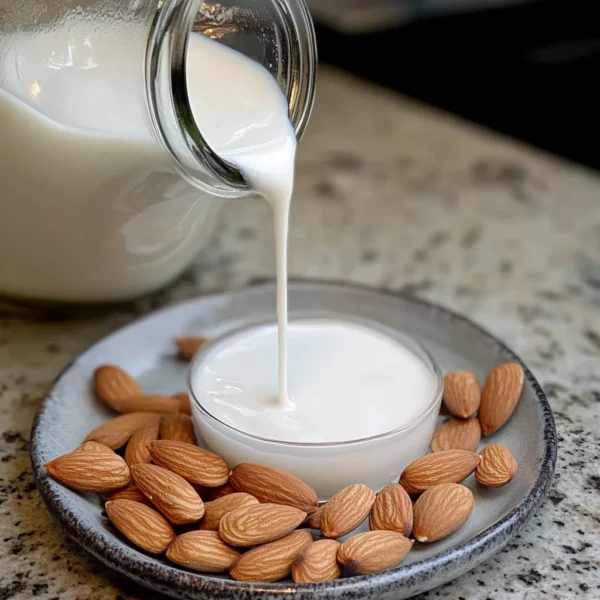
Can You Really Create Creamy Almond Milk at Home? Here’s How!
Many people wonder if they can make delicious homemade almond milk instead of spending a fortune on store-bought alternatives. The answer is a resounding yes! Making homemade almond milk is not only easy but also allows you to customize flavors and sweetness. With just a handful of ingredients and minimal equipment, you can whip up a fresh batch in your kitchen. Are you curious about how to achieve that perfect creamy texture and nutty flavor? Let’s dive into the world of homemade almond milk!
Ingredients List
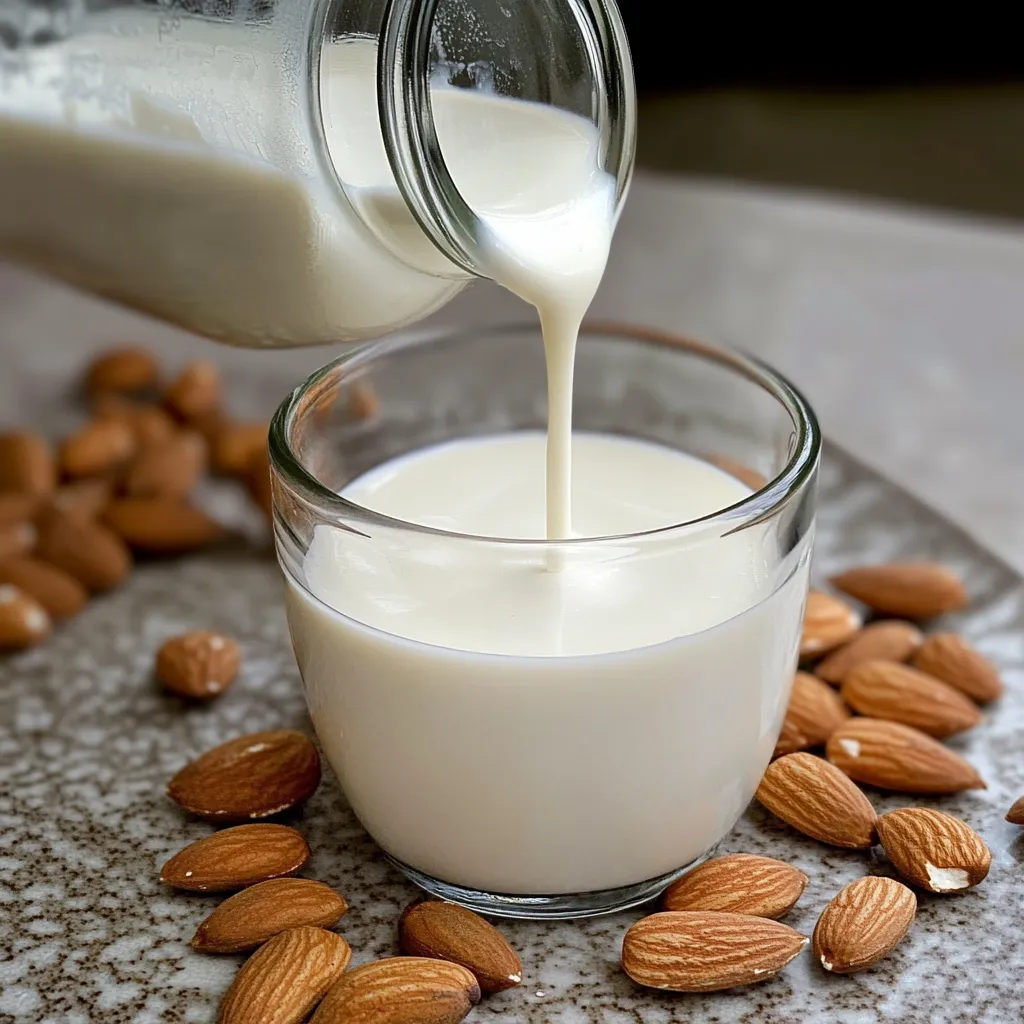
To make your very own homemade almond milk, gather the following ingredients:
- 1 cup raw almonds (preferably organic)
- 4 cups filtered water, plus additional for soaking
- 1-2 tablespoons sweetener (like maple syrup, honey, or agave syrup) – optional
- 1 teaspoon vanilla extract (pure is best for flavor)
- Pinch of sea salt
Substitutions: You can replace water with unsweetened coconut milk for a richer texture or use flavored extracts like almond or hazelnut for a unique twist. If you’d like to keep it unsweetened, simply omit the sweetener.
Timing
Preparing your homemade almond milk requires:
- Soaking time: 8 hours (or overnight)
- Preparation time: 10 minutes
- Total time: 8 hours and 10 minutes
This means you’re spending about 90 minutes less time than the average store-bought option, while getting a fresher product!
Step 1: Soak Your Almonds
Start by soaking 1 cup of raw almonds in filtered water for at least 8 hours. This helps soften the nuts and enhances their creaminess, making your homemade almond milk richer. If you’re short on time, soaking for 2-4 hours is a quick option, but overnight soaking yields the best results.
Step 2: Blend Almonds and Water
Once soaked, drain the almonds and rinse them. In a high-speed blender, combine the soaked almonds with 4 cups of filtered water. Blend on high for about 1-2 minutes until the mixture is frothy and creamy. You should see tiny bits of almond floating around, which indicates it’s well-blended.
Step 3: Strain the Mixture
To separate the almond milk from the pulp, place a nut milk bag, cheesecloth, or fine mesh strainer over a bowl. Pour the blended mixture into the strainer and gently squeeze or press to extract all the liquid. You’ll be left with creamy almond milk in the bowl and almond pulp in the bag or strainer.
Step 4: Flavor Your Almond Milk
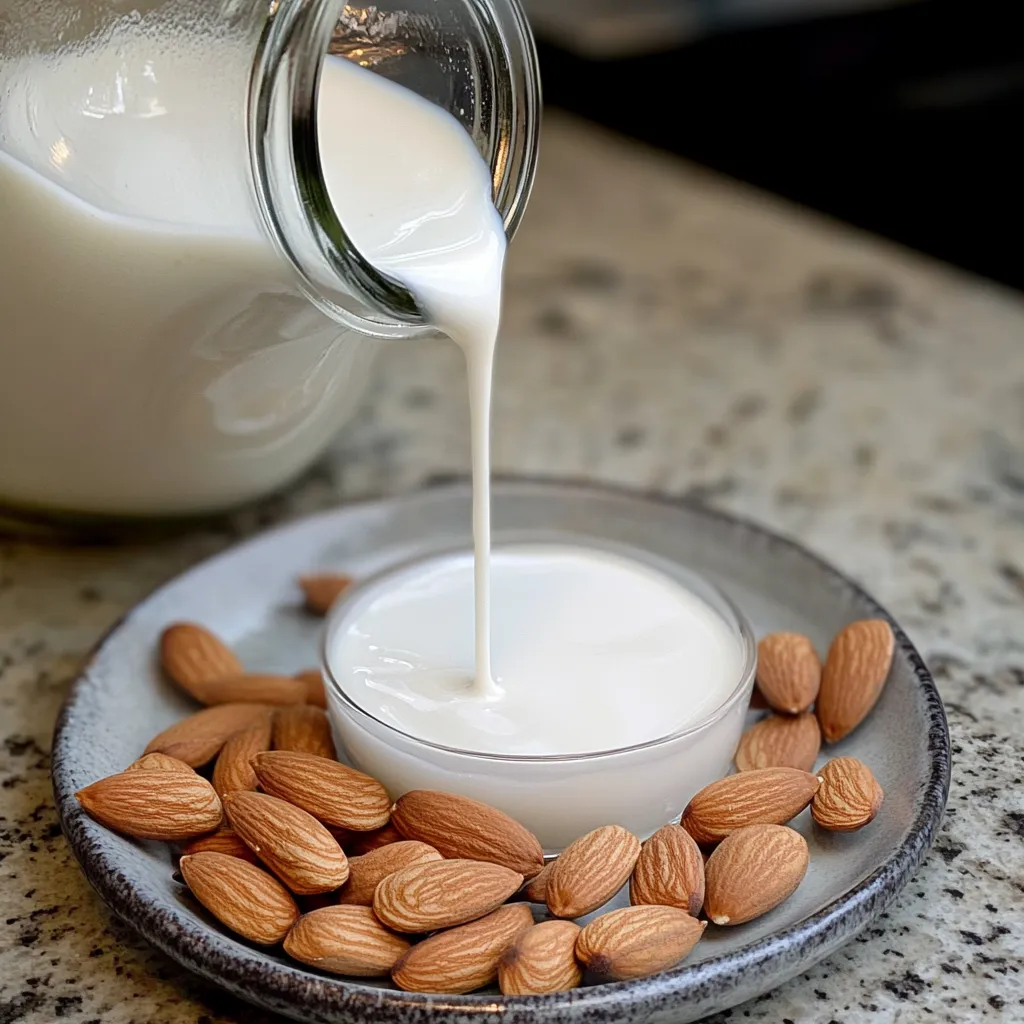
This step is optional but highly recommended! Add in your chosen sweetener, vanilla extract, and a pinch of sea salt to the strained almond milk. Taste and adjust the sweetness according to your preference. Blend again for 30 seconds to incorporate.
Step 5: Store Your Almond Milk
Transfer the finished almond milk into a clean glass jar or airtight container. It can be stored in the refrigerator for up to 4-5 days. Make sure to give it a good shake before each use, as the natural ingredients may settle.
Nutritional Information
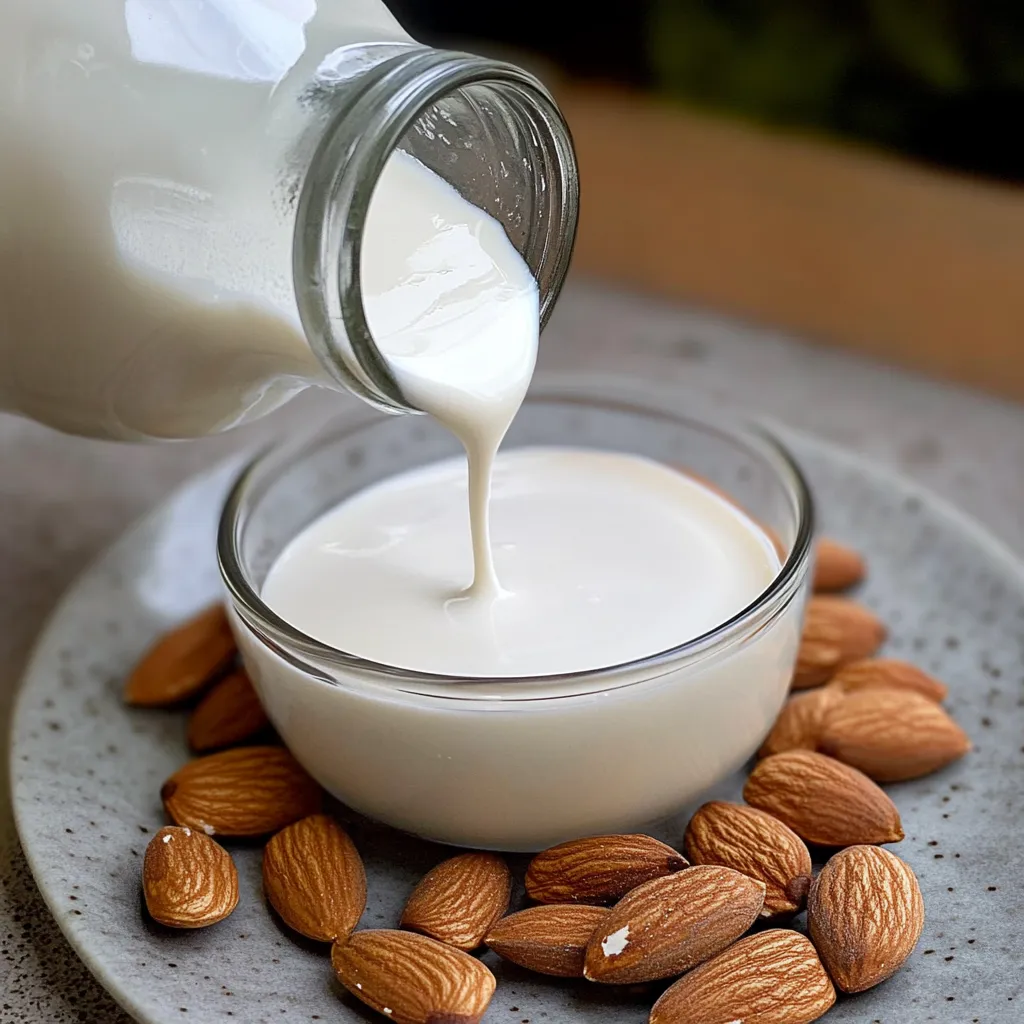
This homemade almond milk serves as a nutritious alternative to dairy. Here’s what you can expect in one cup:
- Calories: ~60
- Protein: 2g
- Fat: 2.5g
- Carbohydrates: 8g
- Fiber: 1g
Additionally, homemade almond milk is free from preservatives and additives, making it a cleaner option for your health.
Healthier Alternatives for the Recipe
To enhance the nutritional profile of your almond milk, try these modifications:
- Use alternative nuts like cashews or macadamia nuts for a change in flavor and nutrients.
- Add a tablespoon of chia seeds to boost omega-3 fatty acids and fiber content.
- Experiment with spices like cinnamon or turmeric for added health benefits.
- Make it a protein-rich drink by adding a scoop of your favorite plant-based protein powder.
Serving Suggestions
Enjoy your homemade almond milk in various ways:
- Pour it over your morning granola or oatmeal for a creamy texture.
- Use as a base for smoothies or protein shakes.
- Replace cow’s milk in baking recipes for a delicious vegan twist.
- Try it in coffee or tea as a dairy-free creamer.
Personalize your serving with a sprinkle of cocoa powder for hot chocolate or blend with fresh fruits for a refreshing smoothie.
Common Mistakes to Avoid
Making homemade almond milk can be easy, but here are some common pitfalls:
- Not soaking the almonds long enough can lead to a gritty texture. Always soak for at least 8 hours.
- Using stale almonds can diminish the flavor. Choose fresh, raw almonds for the best taste.
- Forgetting to strain properly may result in an unpleasant drink—ensure you squeeze all the liquid from the pulp.
- Not adjusting the sweetness can lead to a bland milk—taste and tweak to your liking!
Storing Tips for the Recipe
To keep your homemade almond milk fresh:
- Always store it in a sealed container in the refrigerator.
- Avoid leaving it out at room temperature for prolonged periods to prevent spoilage.
- Consider preparing a batch of almond pulp to use in smoothies or baked goods instead of wasting it.
For a smooth texture, it’s best to consume your almond milk within a few days of making it.
Conclusion
Making homemade almond milk is a rewarding way to enjoy a wholesome, dairy-free alternative. With just a few simple ingredients and full control over your flavor profile, you’ll wonder why you ever bought it from the store. So why not give this recipe a try? Don’t forget to share your own experiences, tweak the recipe to your liking, and explore other delightful posts on our blog!
FAQs
How long does homemade almond milk last in the fridge?
Homemade almond milk can last in the refrigerator for about 4-5 days. Always store it in an airtight container and give it a good shake before each use, as it may separate.
Can I use flavored extracts in my almond milk?
Absolutely! Using flavored extracts like almond or hazelnut can add a unique twist to your homemade almond milk. Adjust the amount according to your taste preference.
What can I do with leftover almond pulp?
Don’t throw that almond pulp away! You can use it in smoothies, cookies, energy bars, or even as a base for homemade granola. It’s a nutritious way to minimize waste!
Is there a way to make almond milk without straining?
Yes! You can blend the almonds with water and enjoy the milk without straining if you prefer a thicker, creamier texture. Just be prepared for a bit of grit!


Leave a Comment