
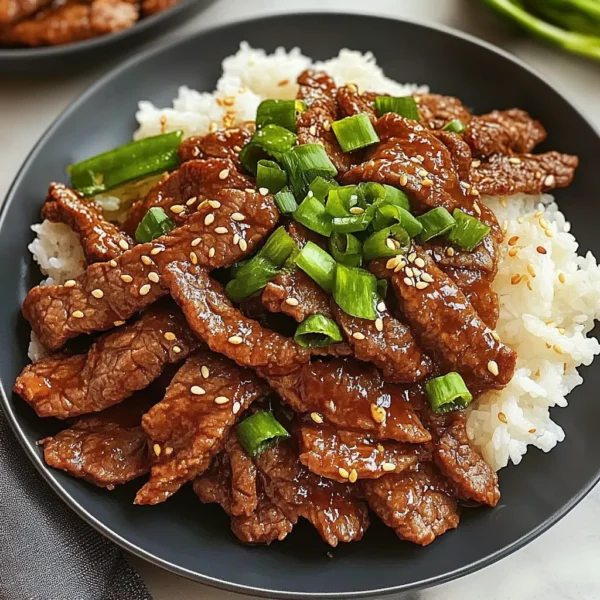
Are you craving a quick, unforgettable meal that impresses without much effort? Discover the secrets to making the best beef bulgogi, a dish that’s often hailed as a standout in Korean cuisine!
Beef bulgogi is not just a meal; it’s an experience wrapped in flavor. In just a short time, you can create a dish that tantalizes the taste buds and satisfies the palate. This guide will take you through every step of the process, ensuring that your beef bulgogi is quick, easy, and irresistibly flavorful.
Ingredients List
- 1 lb thinly sliced beef (sirloin or ribeye works best)
- 1/4 cup soy sauce
- 2 tablespoons brown sugar
- 1 tablespoon sesame oil
- 2 cloves garlic, minced
- 1/4 teaspoon black pepper
- 1 tablespoon grated ginger (or 1 teaspoon ground ginger)
- 1 medium onion, sliced
- 1 carrot, julienned
- 2 green onions, sliced
- Optional: sesame seeds for garnish
- Optional substitutes: chicken or tofu for protein; coconut aminos for a soy-free option
Timing
Preparation time: 20 minutes
Cooking time: 10-15 minutes
Total time: 30-35 minutes
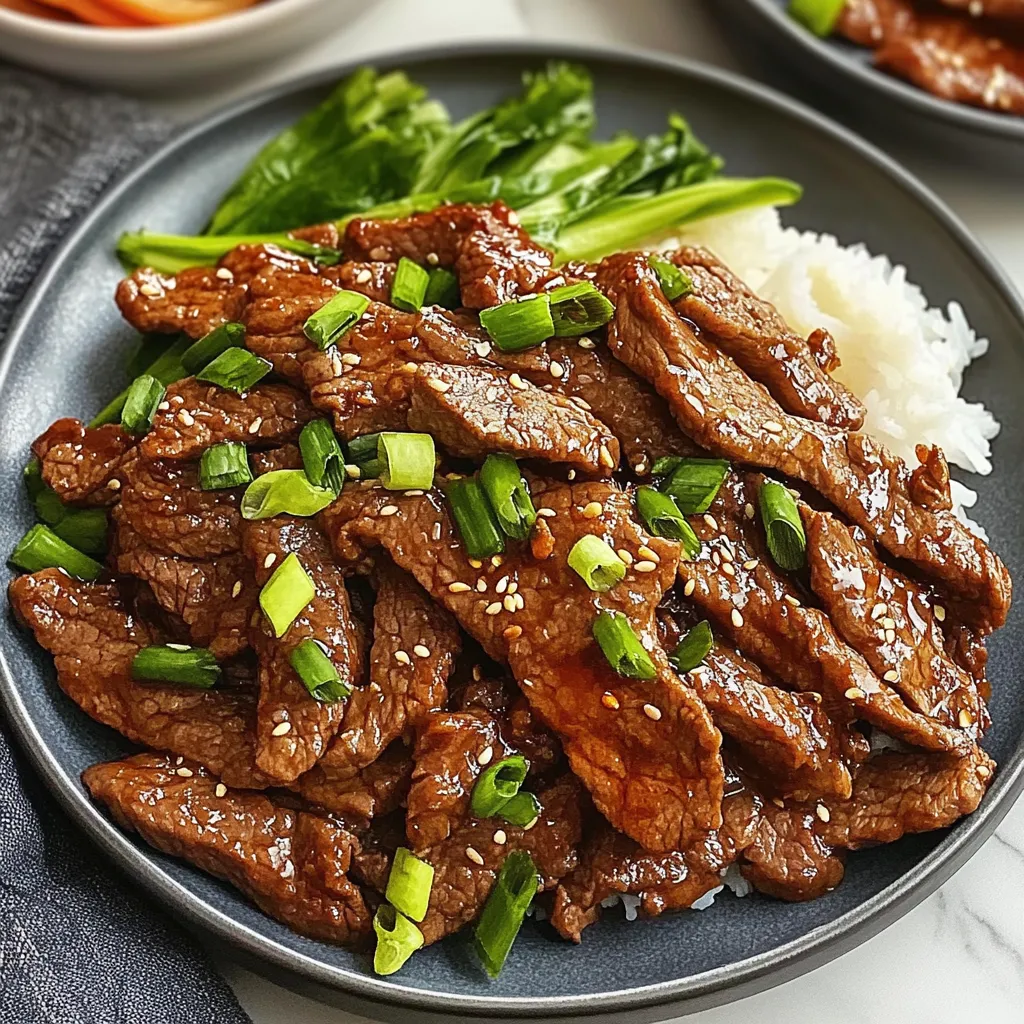
This total time is approximately 20% less than the average dinner prep time for a flavorful meal. It’s perfect for busy evenings when you want something delicious without spending hours in the kitchen.
Step-by-Step Instructions
Step 1: Marinate the Beef
In a bowl, combine the soy sauce, brown sugar, sesame oil, minced garlic, black pepper, and ginger. Add the sliced beef, ensuring it is well-coated. For the best flavor, let it marinate for at least 15 minutes or up to overnight in the refrigerator.
Step 2: Prepare the Vegetables
As the beef marinates, slice your onion and julienne your carrot. Green onions can be sliced and set aside for garnish. These fresh ingredients add crunch and enhance the overall texture of the dish.
Step 3: Cook the Beef
Heat a large skillet or grill pan over medium-high heat. Once hot, add the marinated beef in a single layer, cooking in batches if necessary. Sauté for about 3-4 minutes until the beef is browned and cooked through.
Step 4: Add Vegetables
Once the beef is nearly cooked, toss in the sliced onions and carrots. Stir-fry for an additional 2-3 minutes until the vegetables are tender yet crisp.
Nutritional Information
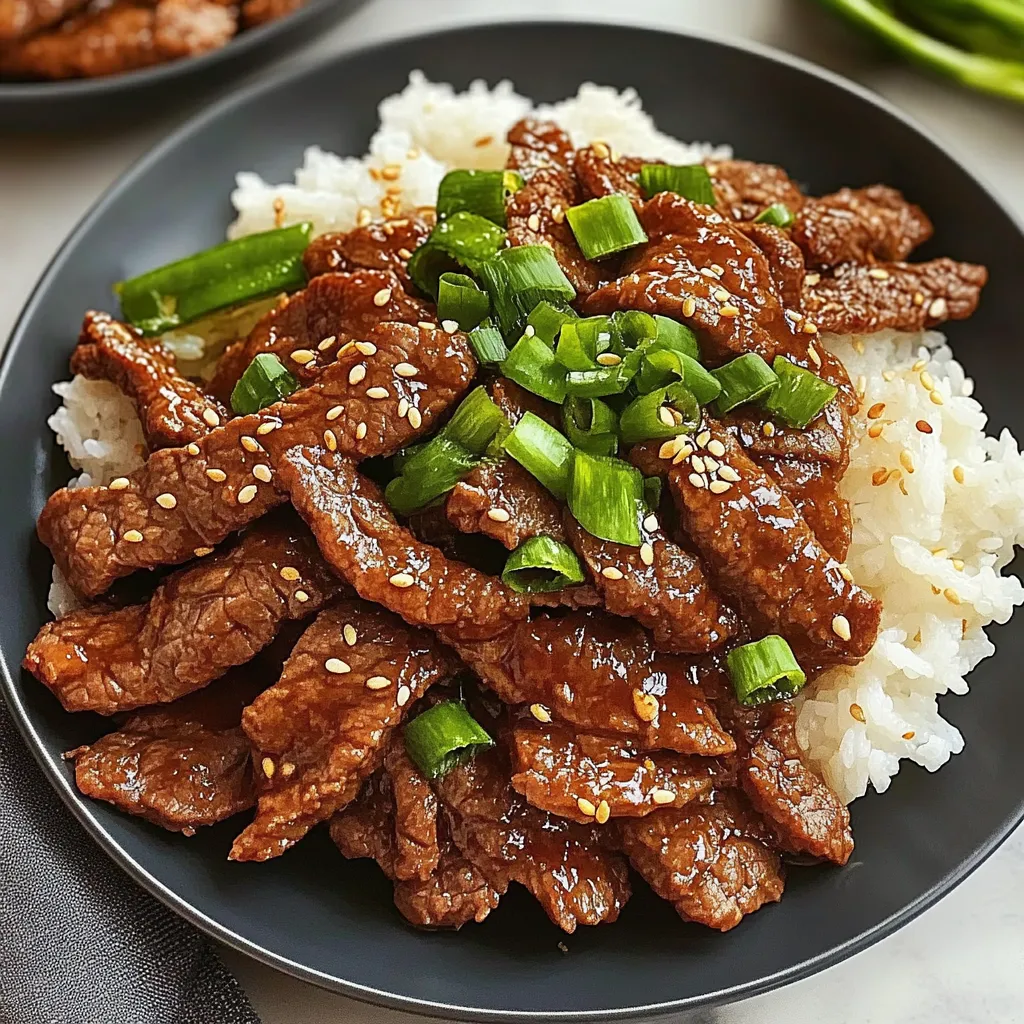
This beef bulgogi recipe yields roughly four servings. Each serving contains approximately:
- Calories: 350
- Protein: 30g
- Fat: 20g
- Carbohydrates: 15g
- Sugar: 5g
The lean cuts of beef and fresh vegetables make this a balanced meal option that’s rich in nutrients while still being satisfying.
Healthier Alternatives for the Recipe
If you’re looking to make beef bulgogi healthier, consider the following substitutions:
- Use lean cuts of beef like flank steak to reduce fat content.
- Replace brown sugar with honey or a sugar substitute.
- Incorporate more vegetables, such as bell peppers or mushrooms, for added nutrients.
- Serve with lettuce wraps instead of rice for a low-carb option.
Serving Suggestions
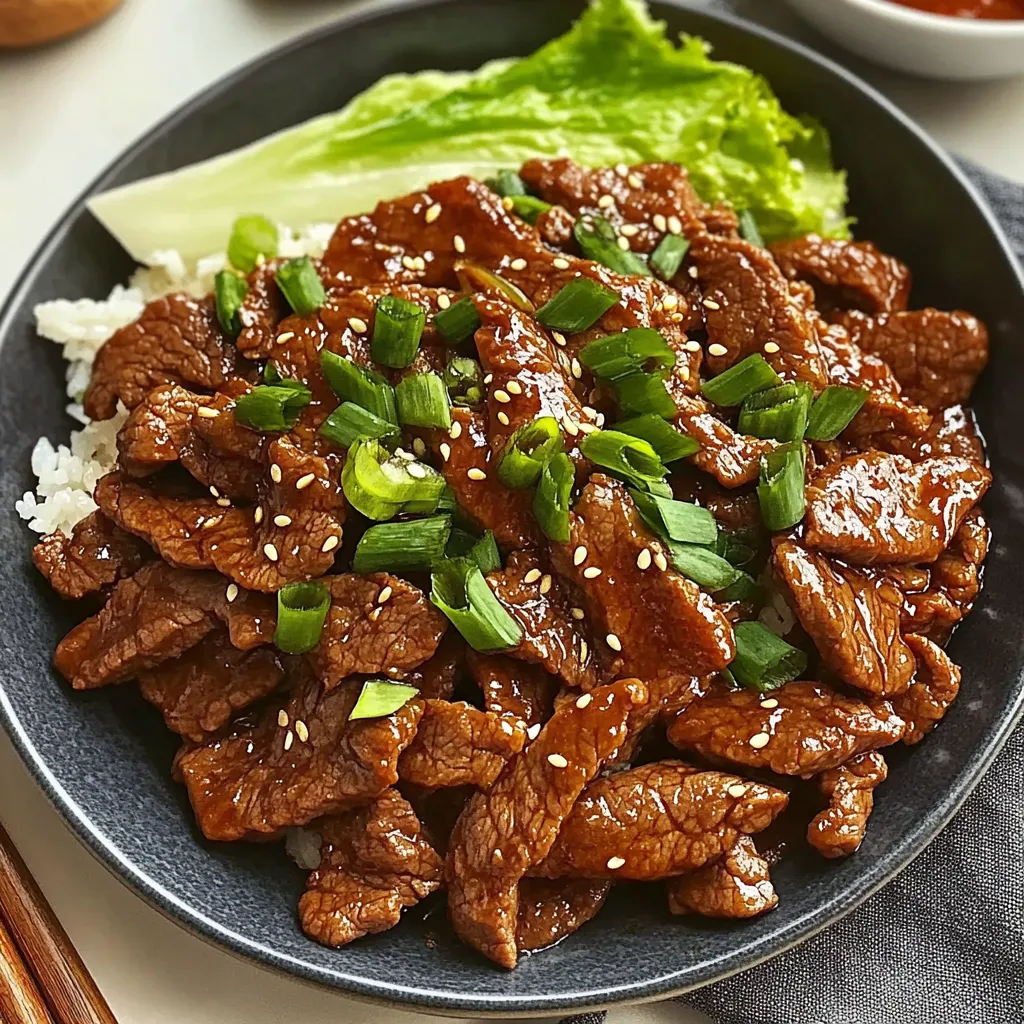
Your delicious beef bulgogi can be served in multiple ways:
- Wrap in lettuce leaves for a fresh, crunchy bite.
- Serve over steamed rice or quinoa to soak up the savory sauce.
- Pair with a side of kimchi or pickled vegetables for an authentic touch.
- Top with sesame seeds and sliced green onions for an appealing presentation.
Common Mistakes to Avoid
- Failing to marinate the beef long enough—this can lead to bland flavors, so aim for maximum marination if you have the time.
- Overcooking the beef—keep an eye on your cooking time; the beef should be tender and not chewy.
- Using thick beef slices—this impedes marination, so slicing thinly is crucial.
Storing Tips for the Recipe
Leftovers can be stored in an airtight container in the refrigerator for up to three days. For longer storage, consider freezing the beef bulgogi in portioned containers, which can last up to three months. Always cool down before storing and reheat thoroughly before serving.
Conclusion
By following this comprehensive guide, you’ll be able to create an unforgettable beef bulgogi dish that’s both easy to prepare and delicious to eat. The perfect blend of ingredients and flavors teaches meal preparation that anyone can master, regardless of their cooking experience. Now it’s your turn to try this recipe and impress your friends and family. Don’t forget to share your experience and come back for more delicious posts!
FAQs
Can I use other types of meat for bulgogi?
Yes! While beef is traditional, you can use chicken, pork, or even tofu for a vegetarian option. Just remember that cooking times may vary based on the protein used.
Is beef bulgogi gluten-free?
Regular soy sauce contains gluten; however, you can use gluten-free soy sauce or coconut aminos as an alternative to create a gluten-free version of this dish.
How can I enhance the flavor even more?
Adding spices such as red pepper flakes or gochujang (Korean chili paste) can enhance the flavor for those who enjoy a bit of heat.
What side dishes go well with beef bulgogi?
Aside from rice or lettuce wraps, try serving bulgogi with Korean side dishes like kimchi, pickled radish, or a simple vegetable salad for a refreshing meal.



Leave a Comment